 blog
blog
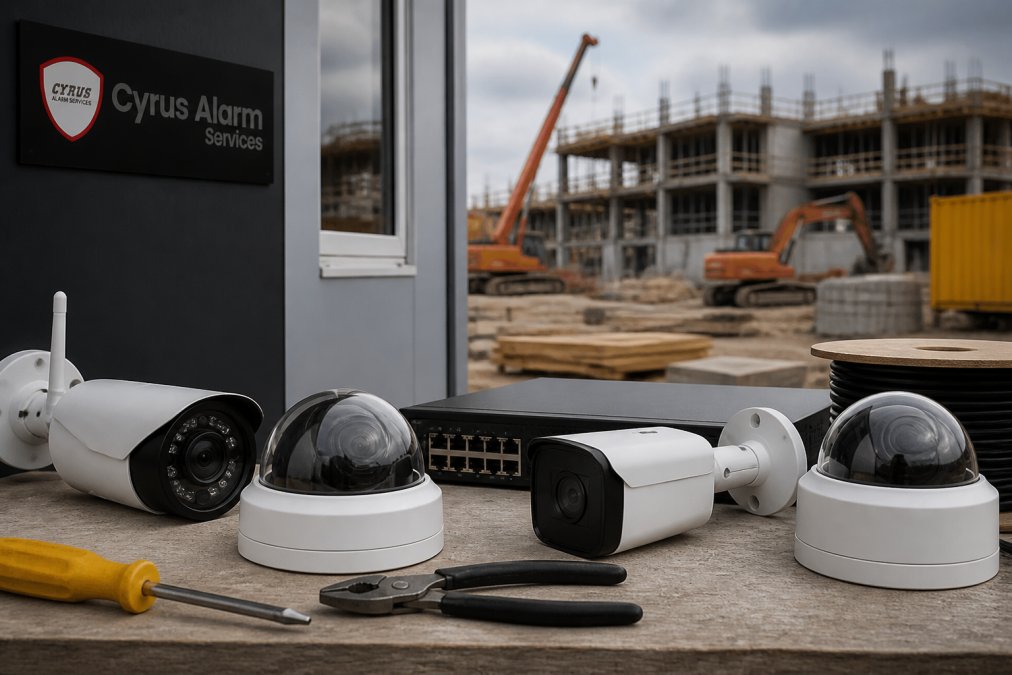
Best Security Cameras for Construction Sites
Table of Contents
- Why Security Cameras Matter on Construction Sites
- Key Features to Look for in Jobsite Cameras
- Cellular Security Cameras for Construction Flexibility
- Power Options: Solar-Powered Jobsite Cameras and Alternatives
- Construction Site Security Best Practices Beyond the Camera
- Advanced Features: Night Vision, Time-Lapse, and Cloud Storage
- Choosing the Right System for Your Site
- Frequently Asked Questions
Last Updated: September 18, 2026
Why Security Cameras Matter on Construction Sites
Construction sites face unique security challenges. Equipment theft, vandalism, and unauthorized access can halt projects and drain budgets. A single stolen generator or power tool can cost thousands of dollars. Beyond theft, cameras document site conditions, track progress, and protect your liability in disputes.
The right security cameras for construction do more than record video. They deter criminals before incidents happen. They provide real-time visibility so you can respond to problems immediately. They create an audit trail that protects you legally if something goes wrong.
Cyrus Alarm Services works with construction companies to secure everything from small renovation projects to major infrastructure builds. The difference between a system that works and one that doesn't comes down to understanding what construction sites actually demand: rugged equipment, reliable connectivity, and footage that's actually usable when you need it.
Key Features to Look for in Jobsite Cameras
Not all surveillance cameras work on construction sites. Standard residential cameras fail in dust, heat, cold, and rain. You need equipment designed for harsh field conditions.
The best security cameras for construction share several core characteristics. They're weatherproofed to handle outdoor exposure. They detect motion so you get alerts when something happens, not endless hours of empty footage. They connect reliably without depending on permanent infrastructure. They store footage securely so you have evidence when you need it.
Weatherproofing and Durability Standards
Construction sites are brutal environments. Temperature swings, moisture, dust, and vibration destroy equipment not built for the field. Look for cameras with an IP rating of at least IP65, which means they're dust-tight and can handle water jets from any direction.
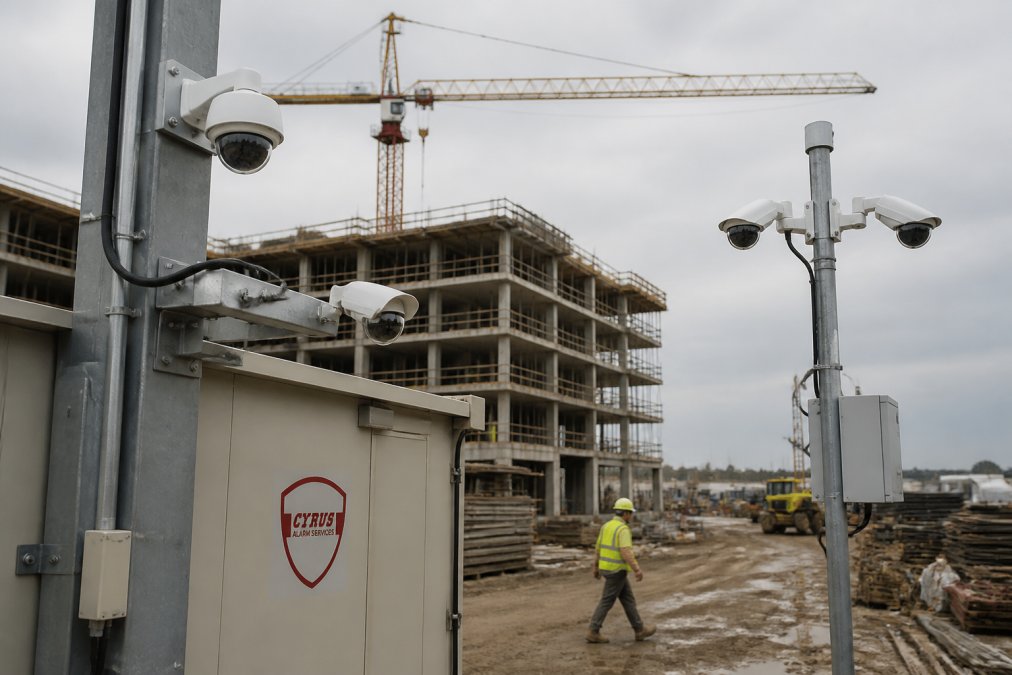
Vandal-resistant housing matters too. A camera mounted on a temporary structure needs to withstand impact and tampering. Metal enclosures and shatterproof lens covers protect your investment. The camera should be designed so it's difficult to disable or redirect without obvious damage.
Check the operating temperature range. Quality jobsite cameras work from well below freezing to over 100 degrees. Batteries and electronics fail in extreme conditions if the equipment isn't rated for it. Field-ready cameras have sealed connectors and potted circuitry to keep moisture and dust out.
Motion Detection and Alert Systems
Motion detection transforms a camera from a passive recorder into an active security tool. When motion is detected, the system can send you an instant alert. You can respond to problems in real time instead of reviewing hours of footage later.
Quality motion detection distinguishes between meaningful events and false triggers. Wind-blown debris, shadows, and rain shouldn't generate constant alerts. Look for cameras with intelligent motion detection that can be tuned to your site's conditions. Some systems let you set detection zones so you're only alerted to movement in areas that matter.
Real-time alerts mean nothing if you can't act on them. The camera system needs a reliable way to notify you. Push notifications to your phone work best. Email alerts are slower but create a permanent record.
Remote Monitoring and Mobile App Access
You can't be on site 24/7. Remote monitoring lets you check your jobsite from anywhere. A solid mobile app shows live video, plays back recorded footage, and lets you review events that triggered alerts.
The app should be intuitive because you'll use it under pressure when something's wrong. Slow, clunky interfaces waste time when you need answers fast. Look for apps that load video quickly even on slower connections. The ability to download footage directly to your phone is valuable if you need to share it with police or your insurance company.
Two-way talk features let you communicate through the camera's speaker. If you spot someone on site after hours, you can challenge them without being physically present. This deters trespassers and gives you time to contact authorities.
Cellular Security Cameras for Construction Flexibility
Construction sites move. Temporary setups need to relocate between projects. Cellular cameras solve the connectivity problem that stops many teams from deploying security cameras for construction in the first place.
Cellular security cameras for construction don't require Wi-Fi or hardwired connections. They use cellular networks to transmit video and alerts. This flexibility makes them ideal for temporary jobsites where you can't install permanent infrastructure.
Cellular vs. Wi-Fi Connectivity
Wi-Fi cameras need a wireless router on site. That router needs power and a reliable internet connection. For temporary projects, this adds complexity and cost. Wi-Fi range is also limited, so you need multiple access points to cover a large site.
Cellular cameras use the same networks your phone uses. Coverage is broader, and you don't need to install networking equipment. The trade-off is that cellular service has data limits and can be slower than a fast Wi-Fi connection.
For most construction sites, cellular wins. You get coverage without infrastructure. The setup is faster. You can move the camera to a new site and have it working in minutes.
Bandwidth and Network Stability
Cellular networks vary in reliability depending on location and provider coverage. Before deploying cellular security cameras for construction, test coverage at your specific jobsite. A camera that can't connect is useless.
Some systems use multiple carriers to ensure redundancy. If one network fails, the camera switches to another automatically. This costs more but provides the stability that matters when you're protecting valuable assets.
Bandwidth affects video quality and responsiveness. Cellular connections are typically slower than hardwired internet. The system should compress video efficiently so it transmits smoothly even on slower connections. Live viewing might be slightly delayed, but alerts should arrive instantly.
Power Options: Solar-Powered Jobsite Cameras and Alternatives
Power is the biggest challenge for temporary construction site security. You need cameras to run 24/7, but running electrical lines across a jobsite is expensive and creates safety hazards.
Solar-powered jobsite cameras eliminate the need for power lines. They charge during the day and run at night on battery power. This makes them ideal for temporary deployments where you can't justify permanent electrical work.
Battery Life and Wire-Free Deployment
Solar-powered jobsite cameras with battery backup can run indefinitely if they get adequate sunlight. On cloudy days or during winter, battery capacity matters. Look for systems rated for at least 5-7 days of operation without sunlight.
Wire-free deployment means no trenching, no conduit, no permanent installation. You mount the camera, aim it, and it starts working. When the project ends, you remove it and redeploy it elsewhere. This flexibility is why solar cameras are popular for temporary construction site security.
Battery quality affects longevity. Lithium batteries hold charge better than older battery types and work in cold weather. Check the battery specifications, not just the marketing claims. A camera that dies after two years of use becomes expensive when you factor in replacement costs.
Hardwired and Hybrid Solutions
For permanent installations or long-term projects, hardwired power is more reliable. A camera connected to site power runs continuously without battery concerns. The installation is more complex, but you get uninterrupted operation.
Hybrid systems combine hardwired power with battery backup. If power fails, the camera keeps running on batteries. This provides redundancy and peace of mind.
Some construction companies use a mix. Solar cameras at remote corners of the site, hardwired cameras at the main entrance where power is available.
Construction Site Security Best Practices Beyond the Camera
Cameras are one part of a comprehensive security strategy. They document what happens, but they don't prevent all problems. Combine cameras with other security measures for maximum protection.
Vandal Resistance and Tamper-Proof Housing
A camera that's easy to disable isn't really protecting anything. Vandal-resistant design makes it difficult to damage or disable the camera without obvious signs of tampering.
Legal and Privacy Compliance
Security cameras create legal obligations. You need to comply with recording laws in your jurisdiction. Recording audio is heavily restricted in many areas, so confirm the rules before deploying cameras with microphones.
Integration with Project Management Software
Modern construction management platforms can integrate with camera systems. This creates a unified view of your site. You can correlate camera footage with project timelines, equipment logs, and incident reports.
Advanced Features: Night Vision, Time-Lapse, and Cloud Storage
As surveillance technology evolves, cameras offer capabilities that go beyond basic recording. These advanced features make your footage more useful and your security more proactive.
Choosing the Right System for Your Site
The best security cameras for construction fit your specific situation. A small renovation project needs different equipment than a multi-year infrastructure build. Your budget, site layout, and security priorities should drive your selection.
Frequently Asked Questions
What features should I prioritize in a security camera for a construction site?
Prioritize weatherproofing (IP65 rating or higher), motion detection with real-time alerts, remote monitoring via mobile app, and vandal-resistant housing. Battery life or reliable power options matter for temporary sites. Night vision and high-definition video ensure you capture usable footage of incidents. Choose cellular connectivity if your site lacks stable Wi-Fi, and verify the camera integrates with your project management tools for streamlined incident reporting.
Should I use cellular security cameras for construction or Wi-Fi cameras?
Cellular security cameras for construction are ideal if your jobsite has inconsistent internet or you're moving equipment between locations. They eliminate installation complexity and provide reliable connectivity in remote areas. Wi-Fi cameras work well for permanent structures with stable broadband. Cellular options cost more in monthly data fees but offer flexibility. Wi-Fi cameras require upfront networking infrastructure. Assess your site's connectivity, duration, and mobility needs before deciding.
How do solar-powered jobsite cameras help reduce maintenance costs?
Solar-powered jobsite cameras eliminate the need for hardwired power or frequent battery replacements, reducing ongoing maintenance and operational costs. They're ideal for temporary sites where running electrical lines is impractical. Modern solar models provide 24/7 operation with backup battery systems for cloudy days. However, initial equipment cost is higher. They work best on sites with consistent daylight exposure. Pair them with motion-activated recording to optimize battery life and extend deployment intervals.
What legal and privacy issues should I consider when installing site cameras?
Ensure your cameras comply with local privacy laws and don't record neighboring properties without consent. Post visible signage indicating surveillance is active. Store footage securely with data encryption to protect sensitive project information. Check with your insurance provider about camera placement and incident documentation requirements. Maintain clear audit trails of who accesses footage. Consult local regulations regarding worker notification and camera placement in sensitive areas. Proper compliance protects your site and supports theft recovery and insurance claims.