 blog
How to Choose Between Vivint and SimpliSafe Home Security
Last Updated: November 8, 2026
Quick Summary
Choosing between Vivint vs SimpliSafe depends on how you want your home protected, your budget over time, and whether you want professional installation or a do-it-yourself setup. Compare written quotes and total cost over one, three, and five years, and confirm equipment ownership, cancellation terms, and moving policies before you sign.
- Vivint and SimpliSafe differ most in installation approach, which shapes cost, setup time, and contract terms.
- Build a total cost table covering equipment, installation, monitoring, and financing across one, three, and five years.
- Confirm the post-promotion monitoring rate in writing, since advertised monthly rates may step up after the promo ends.
- Ask whether you own the equipment if you cancel on day one, and get the answer in writing.
- Request the exact early-termination formula and a worked dollar example for your term length.
Table of Contents
- Vivint vs SimpliSafe at a Glance
- Vivint vs SimpliSafe Cost: Equipment, Fees and Long-Term Spending
- Vivint vs SimpliSafe Installation: Professional Versus DIY
- Vivint vs SimpliSafe Monitoring Plans and Emergency Response
- Contracts, Cancellation and Equipment Ownership
- SimpliSafe vs Vivint vs ADT: Where the Third Option Fits
- Choosing Your System and Getting a Quote from Cyrus Alarm Services
- Frequently Asked Questions
Choosing between Vivint and SimpliSafe comes down to how you want your home protected, how much you want to spend up front and over time, and whether you want professional installation or prefer to set things up yourself. Both are established names in home security, but they serve different households. This guide from Cyrus Alarm Services walks through the differences so you can decide which fits your home in the Denver area.
Vivint vs SimpliSafe at a Glance
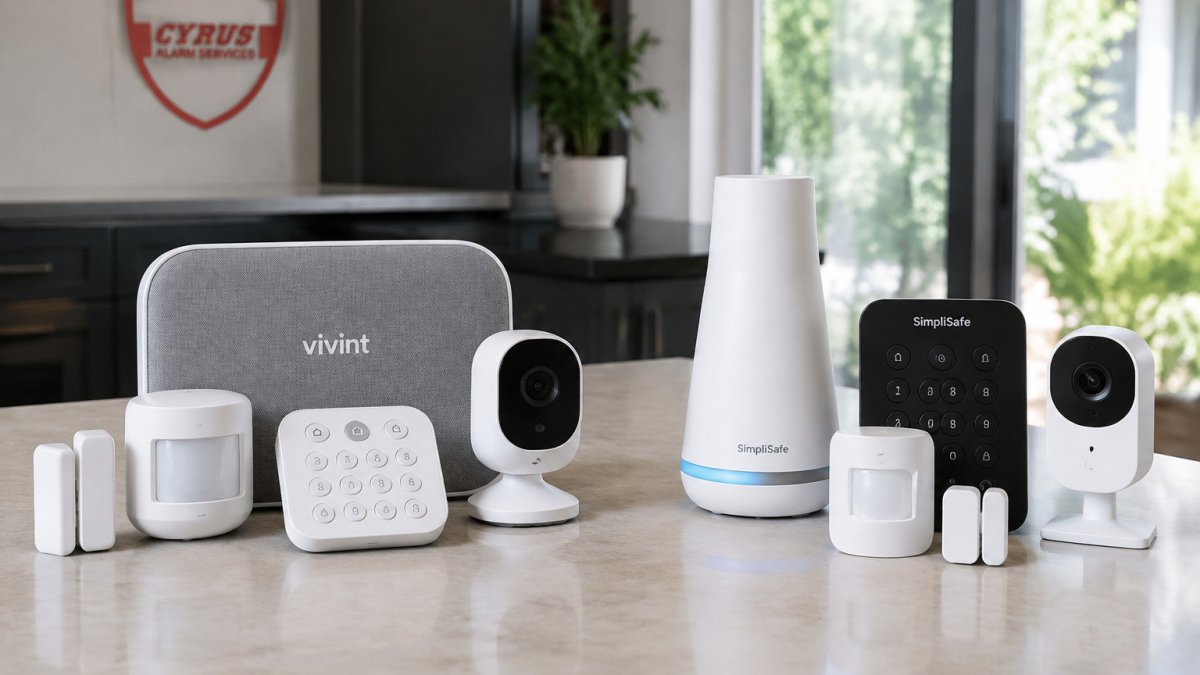
Vivint and SimpliSafe take different approaches to installation and setup, and that difference shapes nearly every other comparison, including cost, setup time, and contract terms. Review each provider's current terms directly, since packages and policies change.
Vivint vs SimpliSafe Cost: Equipment, Fees and Long-Term Spending
Security system cost has three parts: equipment, installation, and monitoring. Pricing varies by package, promotions, and location, so compare written quotes rather than advertised headline numbers. The more useful exercise is to build a total cost of ownership across the horizons that matter: one year, three years, and five years.
Upfront equipment costs
Equipment is usually the first expense, and the starting bill differs depending on whether installation is included. Ask each company for an itemized equipment quote before you compare totals, and separate one-time charges (panel, sensors, cameras, keypad, installation) from recurring ones (monitoring, cellular backup, camera storage).
Total cost of ownership over one, three, and five years
A low starting price can hide a higher long-term cost. Build a simple table with four rows, equipment, installation, monitoring, and any financing or cancellation charges, and three columns for one, three, and five years. Multiply the monthly monitoring rate by 12, 36, and 60, then add the one-time costs. That calculation shows which option costs less over the period you expect to keep the system, and it exposes the point where a higher upfront bill is offset by a lower monthly rate (or the reverse).
Run the same math under two scenarios: paying for equipment outright and financing it. Financing spreads the upfront cost but may add interest, so compare the total financed amount with the sticker price. Ask each provider for the financed total, not just the monthly payment.
Watch out: advertised monthly rates often assume a promotional period or a specific plan tier, and the rate can step up after the promo ends. Confirm the post-promotion rate in writing before you plug it into the five-year column.
What actually moves the total
Three levers change the answer more than any other: the monitoring tier you choose, how many cameras you add (camera storage and cellular backup are frequently separate line items), and whether you pay an installation fee or finance the hardware. Cyrus Alarm Services can provide itemized quotes so you can run this comparison with real figures for your home.
Vivint vs SimpliSafe Installation: Professional Versus DIY
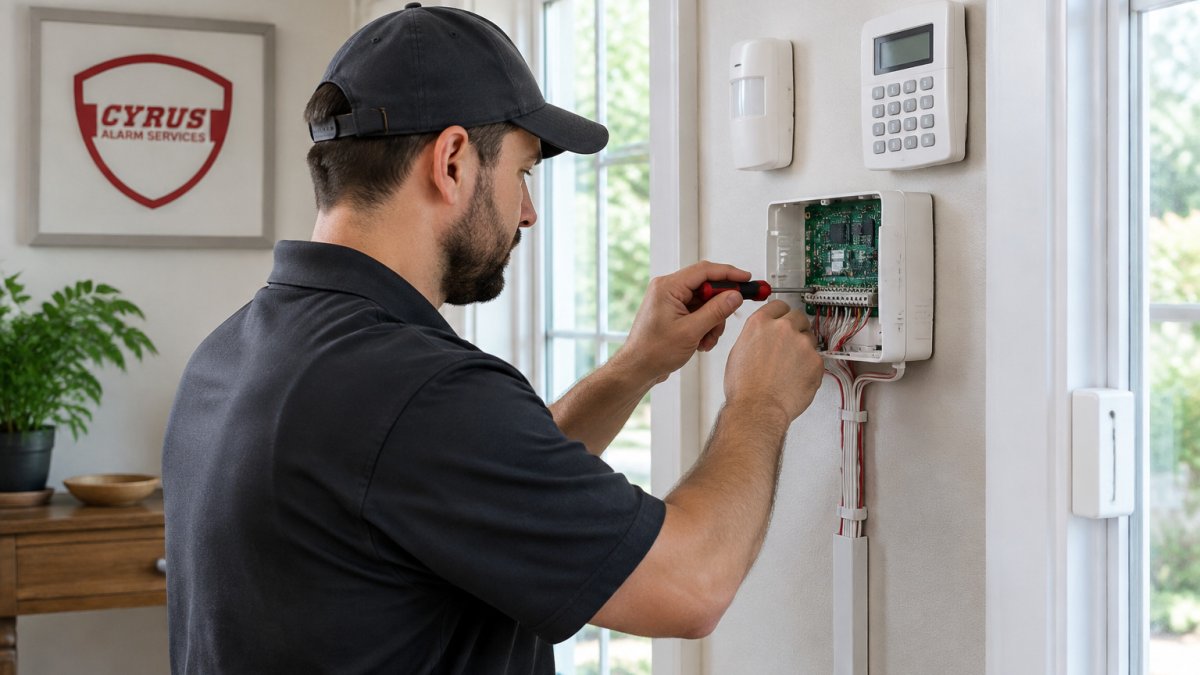
Installation is where the two approaches differ most. A professional installer places sensors, mounts cameras at useful angles, tests every device, and configures the panel.
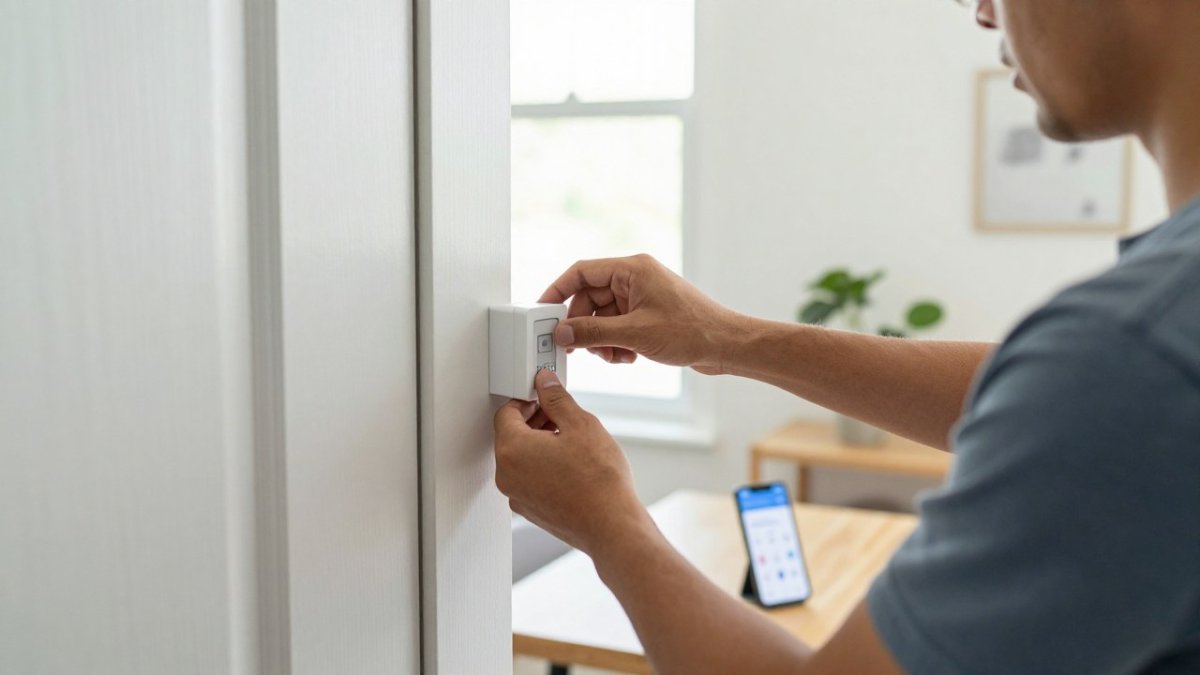
DIY installation lets you set things up on your own schedule and avoid a technician visit. It works well for renters and simple layouts. The trade-off is that you are responsible for placement and testing.
Vivint vs SimpliSafe Monitoring Plans and Emergency Response
Monitoring determines who responds when an alarm sounds. Professional monitoring means a central station receives the signal and can dispatch emergency services. Self-monitoring relies on your phone alerts, which only help if you can act on them quickly. Confirm the monitoring plan, the response process, and what happens during a power or internet outage before you sign up.
Contracts, Cancellation and Equipment Ownership
Read the contract before you commit. Look for the length of the monitoring term, the cancellation fee, whether you own the equipment outright or lease it, and what happens to the hardware if you move. The details below are the ones that most often change the value comparison, and they are the ones a feature-led comparison usually skips.
Who owns the equipment
Ownership is the first fork. With an owned-equipment model, you pay for the hardware and keep it; with a leased or financed model, the hardware may remain tied to the provider until the term is satisfied. Ask directly: "If I cancel on day one, do I own the panel and sensors, or do I owe the remaining equipment balance?" Get the answer in writing, because it determines whether your equipment has resale or reuse value later.
What happens when you move
Moving is the most common life event that triggers a contract question. Ask whether the system can be transferred to a new address, whether a move counts as a new installation (and a new installation fee), and whether the monitoring term restarts. Confirm the move policy before you sign, not after you list the house.
Cancellation terms and fees
Cancellation is where contracts differ most. Confirm the notice period (often 30 days), whether cancellation is allowed mid-term, and the formula for any early-termination fee. Some agreements tie the fee to the remaining months of monitoring; others tie it to the unpaid equipment balance. Ask for the exact formula and a worked example in dollars for your term length.
Watch out: a "no-contract" monitoring plan can still carry an equipment financing agreement with its own term. Read the financing document separately from the monitoring terms, because canceling monitoring does not necessarily cancel the hardware balance.
Paying off equipment and reusing devices
If you finance hardware, ask what happens at payoff: does the provider release the equipment, unlock the panel, and let you keep using it, or does the panel require an active plan to function? Reuse matters if you later switch monitoring providers or want the sensors to work with a different platform. Confirm whether the panel is locked to the provider and whether sensors can be re-paired elsewhere.
Questions to put in writing
Before signing, request written answers to five questions: the monitoring term length, the early-termination formula, the equipment ownership status at cancellation, the move/transfer policy, and whether the panel is locked to the provider. Comparing those five answers side by side is more informative than comparing headline monthly rates, and it is the part of the decision most buyers wish they had checked first.
The contract questions below are the ones that most often change the value comparison between the two providers.
| Question | What to ask | Why it matters |
|---|---|---|
| Equipment ownership | Do you own the hardware if you cancel on day one? | Determines resale or reuse value |
| Moving | Does a move count as a new installation? | Can trigger a new installation fee |
| Cancellation | What is the exact early-termination formula? | Fee may tie to remaining months or unpaid equipment |
| Financing | Is the hardware loan separate from monitoring? | Canceling monitoring may not cancel the hardware balance |
| Payoff | Is the panel locked to the provider? | Affects reuse with another platform |
SimpliSafe vs Vivint vs ADT: Where the Third Option Fits
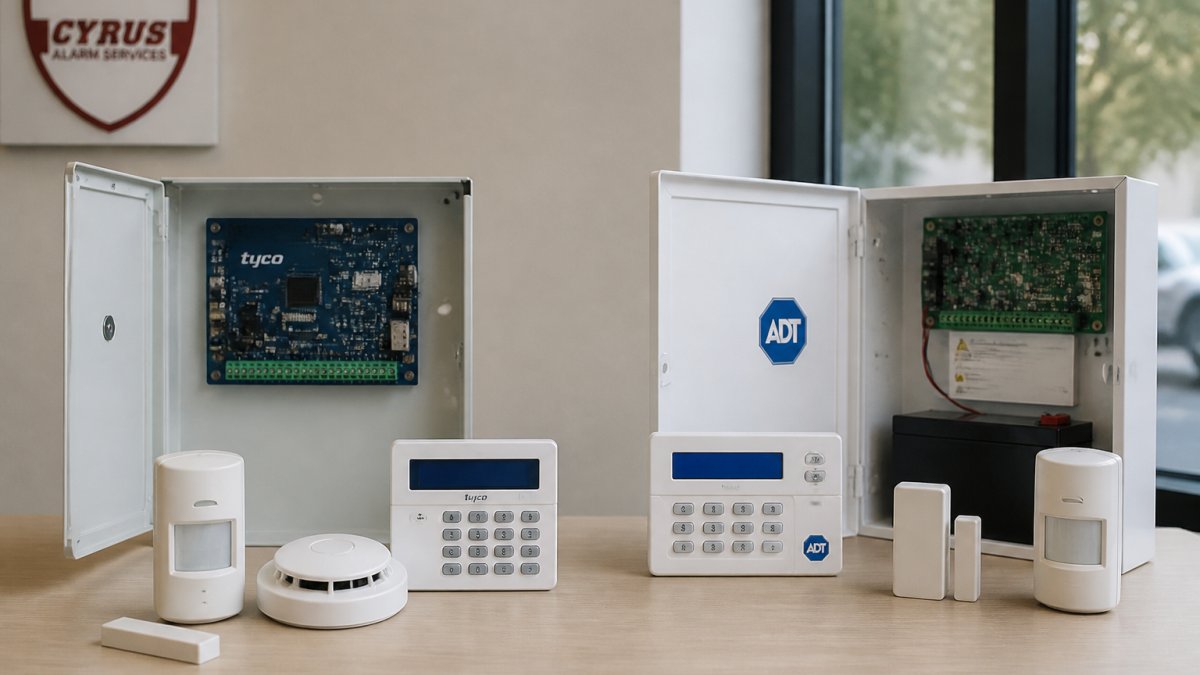
Other providers, such as ADT, are also widely known and often appear in the same comparisons. Compare ADT on the same points as the other two: equipment cost, installation, monitoring, and contract terms. A third quote can reveal whether your priorities favor a self-install system or a professionally managed one.
Choosing Your System and Getting a Quote from Cyrus Alarm Services
Start by listing what matters most: budget, whether you want professional installation, how you plan to use cameras and remote access, and how much you care about contract flexibility. Then request written quotes and compare total costs over three to five years. Cyrus Alarm Services is a family-owned business that offers custom consultation, installation, and servicing, along with Alarm.com integration. Request a quote from Cyrus Alarm Services to see how a tailored system would compare for your household.
BUTTON: Get Your Custom Quote CARD_TITLE: Which security system fits your home? CARD_TEXT: Cyrus Alarm Services designs, installs, and services custom systems with full Alarm.com integration.
Frequently Asked Questions
Is Vivint security better than SimpliSafe?
Neither is better in every case. Each provider suits different priorities, so compare the monthly fees, contract length and the devices you need before deciding.
What is the downside of SimpliSafe?
SimpliSafe's main limits are that its professional monitoring is optional and costs extra, and that its smart home integrations are narrower than those of a full-service provider. Homeowners who want automation controls for locks, lighting and thermostats, or who prefer a professionally installed hardwired system, may find it less complete. Its equipment is easy to add and move, which many buyers see as a strength rather than a drawback.
Does Vivint or SimpliSafe require a contract?
Contract terms, equipment financing and cancellation fees change over time, so confirm current terms with each provider before you commit.
Can Vivint and SimpliSafe work with smart home devices?
Smart home integration depends on the provider and the platform you use, so check the compatibility list for each brand before choosing. If you already run a specific smart home ecosystem, check the compatibility list for each brand before choosing.