 how-to
How to Reduce False Alarm Triggers: A 2026 Guide
Table of Contents
- Why False Alarm Triggers Happen and What They Cost You
- Common Causes of False Alarms: A Room-by-Room Breakdown
- Step-by-Step Troubleshooting Flow by Alarm Type
- Motion Sensor False Alarms: Placement, Calibration, and Pets
- How to Stop Smoke Alarm False Alarms in Kitchens and Near Bathrooms
- Alarm System Maintenance Checklist for Every Season
- Safe Testing, Escalation, and When to Call a Professional
- Reducing False Alarm Triggers in Commercial and Multi-Site Settings
- Frequently Asked Questions
Last Updated: October 12, 2026
Why False Alarm Triggers Happen and What They Cost You
A false alarm trigger is any event that sets off your alarm system when there is no real emergency. This problem matters more than most people realize.
The good news: most false alarms come from a handful of fixable causes. Below, we'll show you exactly how to reduce false alarm triggers room by room, with a troubleshooting flow for each alarm type.
How False Alarms Are Measured and Tracked
A false alarm rate is the number of unnecessary dispatches divided by total alarm events over a set period. Your alarm panel logs every trigger, including the sensor, time, and zone.
Track three numbers:
- Total triggers per month
- Triggers by sensor or zone
- Triggers by time of day
A sensor that fires at the same time daily usually points to an environmental cause, like sunlight or a vent. For broader context on alarm management, the National Fire Protection Association publishes guidance on detection and notification standards.
Common Causes of False Alarms: A Room-by-Room Breakdown
Most false alarms start in the same few spots. Walk your home and check each area against this list.
- Kitchens: Steam, smoke, and heat from cooking trip smoke detectors.
- Near bathrooms: Shower steam drifts into detectors in hallways.
- Living rooms: Pets, ceiling fans, and drafty windows set off motion sensors.
- Hallways: Air vents blow curtains and plants into a sensor's path.
Environmental Triggers: Drafts, Vents, and Sunlight
Environmental factors cause more false alarms than any equipment fault. A motion detector sees infrared heat, so a warm draft or a sunbeam moving across the floor can look like an intruder. Heat vents, air conditioning, and open windows all create the same problem.
Simple fixes:
- Redirect vents away from sensors
- Close blinds where afternoon sun hits a detector
- Seal gaps around drafty doors and windows
- Keep plants and curtains clear of sensor paths
Step-by-Step Troubleshooting Flow by Alarm Type
Start with the sensor that triggered, not the whole system. Each alarm type has its own likely culprits, so work through the matching flow below.
For motion sensors:
- Check the log to confirm which zone fired and at what time.
- Look for heat sources, pets, or drafts in that zone.
- Adjust the sensor's angle or sensitivity, start at medium and move one step at a time.
- Retest in walk-test mode.
- Check the log after 24 hours. If the zone fired again, the cause is not what you fixed.
For smoke detectors:
- Note whether the trigger happened during cooking or showering.
- Move the detector or improve ventilation.
- Clean the unit to remove dust.
- Replace the battery if it is low.
- If the detector still fires with no smoke or steam present, treat it as a hardware fault and replace the unit rather than adjusting it.
For door and window contacts:
- Check for a loose fit or a gap.
- Tighten the magnet alignment.
- Test the contact with the panel in test mode.
- If the contact reads open when the door is closed, the gap is too wide, shim or reposition the magnet.
How to measure whether your fix worked: Pick one number before you start: triggers per zone per month. Write down the zone's count for the last 30 days.
When to escalate to a professional:
- The same zone keeps firing after two rounds of adjustment and a 30-day log check
- A sensor fails to trigger at all during walk-test
- The panel shows a trouble code you cannot clear
- Wiring, older equipment, or a commercial fire alarm panel is involved
For fire alarm systems specifically, do not adjust or disable a detector to stop nuisance alarms.
Using System Logs for Root-Cause Diagnosis
Your system log is the single most useful tool for finding the root cause. Pull up the log after each false alarm and look for repeats.
If the same zone fires at the same hour every day, you have an environmental trigger, not a hardware fault. If random zones fire at random times, suspect a low battery or a loose connection.
What to record in your log review:
- Date and time of each trigger
- Zone and sensor name
- What was happening in the space (cooking, showering, pets moving, staff arriving)
- What you changed, if anything
Keeping this record for two to three months turns guesswork into a pattern.
Motion Sensor False Alarms: Placement, Calibration, and Pets
Motion sensor false alarms usually come down to three things: where the sensor points, how sensitive it is, and whether pets roam the area. Fix placement first, then calibrate.
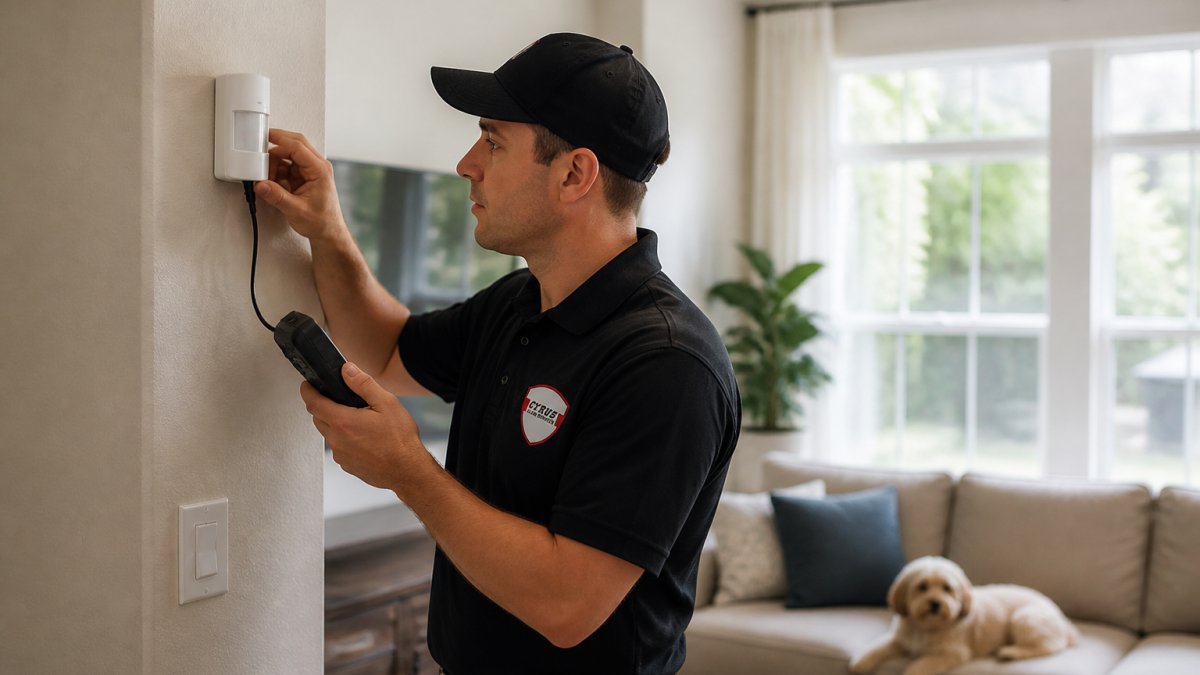
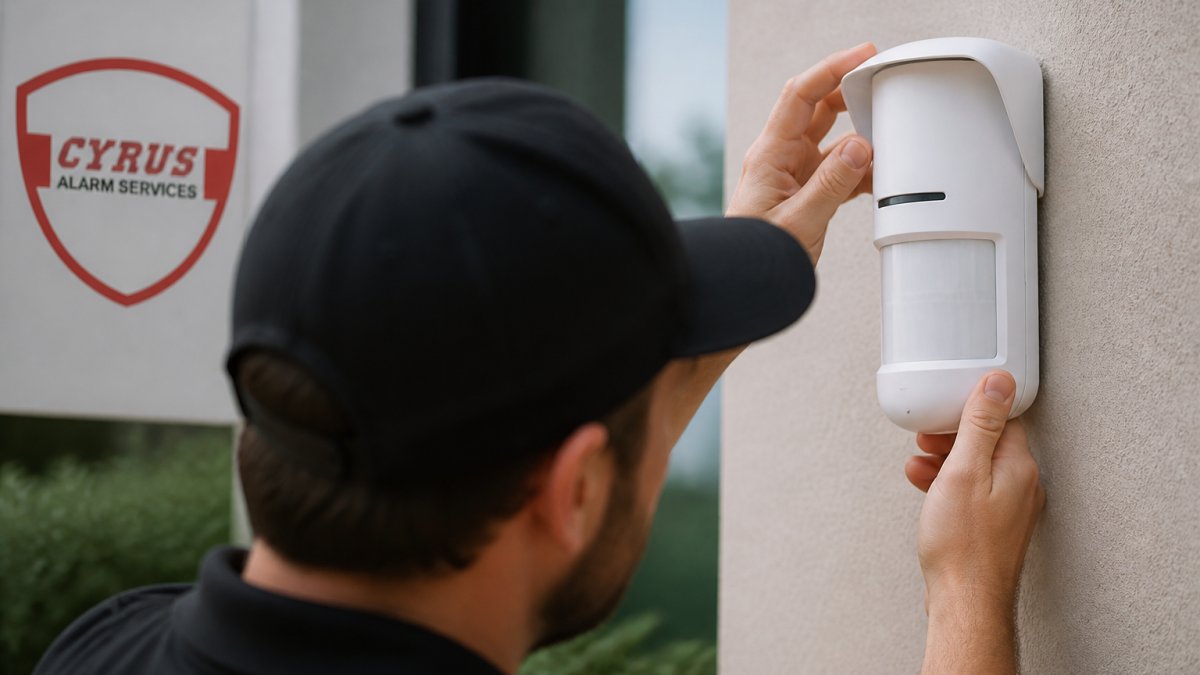
Mount sensors so they look across a room, not at windows or heat vents. Keep them away from direct sunlight and forced-air registers. For homes with pets, choose pet-immune sensors or set the sensitivity lower.
Calibration basics:
- Set sensitivity to medium as a starting point
- Aim the sensor at a clear, open area
- Test with a walk test after every change
- Recheck after moving furniture
How to Stop Smoke Alarm False Alarms in Kitchens and Near Bathrooms
The fastest way to stop smoke alarm false alarms is to control steam and smoke at the source. Cooking and showers are the two biggest offenders, and both are predictable.
In the kitchen:
- Use the range hood every time you cook
- Move the detector at least 10 feet from the stove
- Choose a photoelectric detector, which resists cooking fumes better
Near bathrooms:
- Keep the bathroom door closed while showering
- Install a vent fan and run it during and after showers
- Move hallway detectors away from the bathroom door
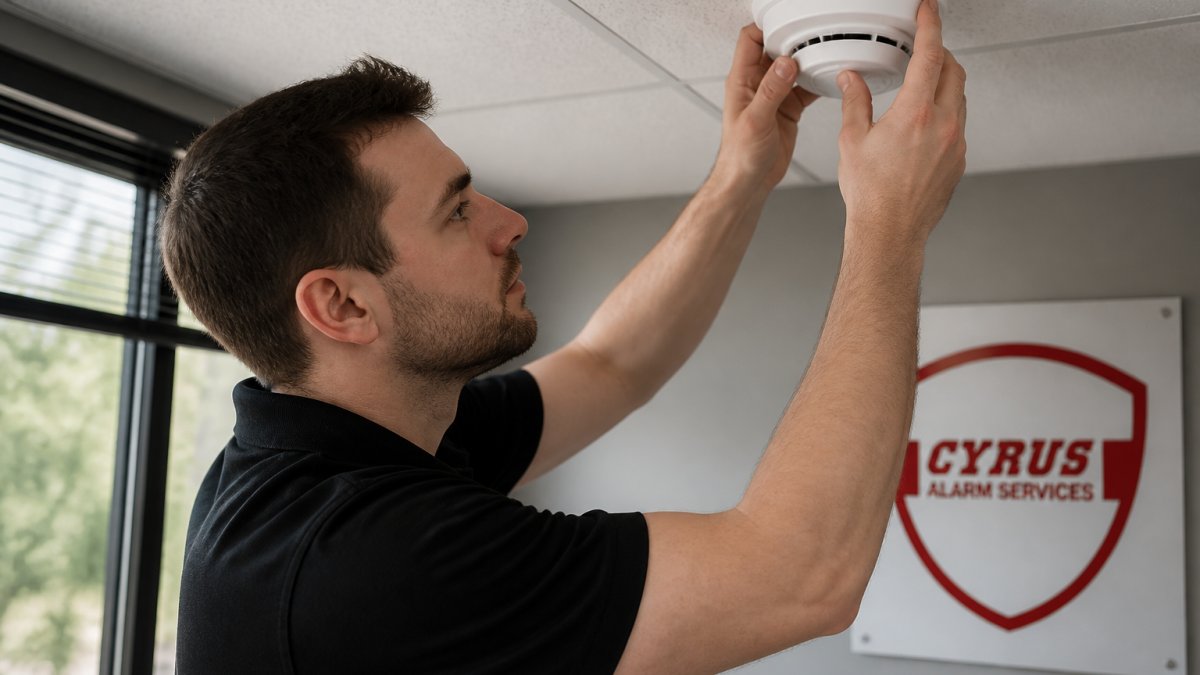
Dust is another common cause. Gently vacuum the detector vents every few months.
Alarm System Maintenance Checklist for Every Season
A maintenance checklist only works if you can tell whether it is actually reducing triggers.
What to measure each month:
- Total triggers per month (all zones)
- Triggers per sensor or zone
- Triggers per time of day
- Dispatches per site, if you have monitoring
A common pattern is that one or two zones account for most nuisance triggers.
Spring and summer:
- Test every sensor with the panel in test mode, and log the result per zone
- Clean smoke and motion detectors of dust and cobwebs, dust reflects light in photoelectric smoke sensors and can mimic smoke particles
- Check that windows and doors close tightly; a gap of even a fraction of an inch can let a contact read as open
- Trim plants and branches away from sensors, since moving foliage reads as motion
Fall and winter:
- Replace detector batteries on a fixed schedule, not when they chirp, a low battery can trigger a full alarm, often at night
- Check for drafts around doors and windows; cold air moving across a passive infrared sensor looks like a heat source
- Confirm heat vents are not aimed at sensors
- Review the system log for repeat triggers and note any zone that fired more than once
How to tell if maintenance is working: Compare this month's triggers per zone against last month's. If the total is flat but one zone dropped, you fixed that zone and something else is now firing.
When to stop maintaining and start diagnosing: If a zone keeps firing after two maintenance cycles, stop repeating the same tasks. Move to the troubleshooting flow above and check the log for a pattern, same time daily points to environment, random times point to battery or wiring.
Safe Testing, Escalation, and When to Call a Professional
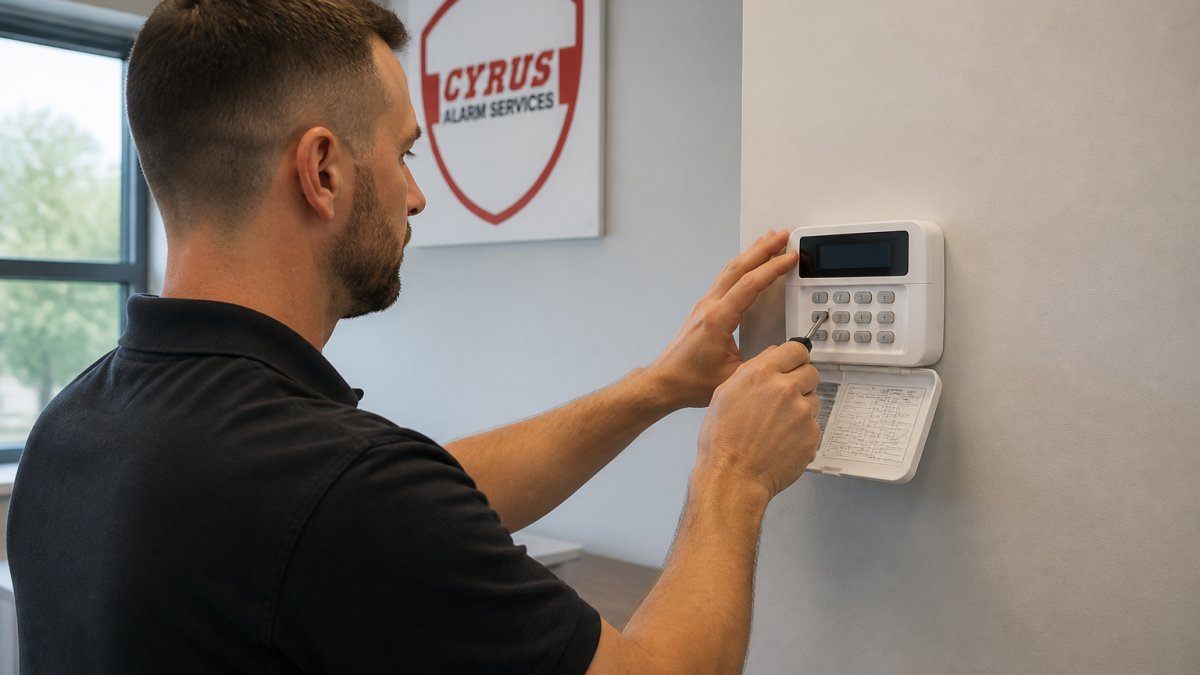
Always test safely by notifying your monitoring center first. Most systems let you place the panel in test mode, which stops signals from reaching the central station. This avoids an unnecessary dispatch and any associated fee.
When to escalate:
- The same zone keeps firing after you adjust it
- A sensor fails to trigger at all
- The panel shows a trouble code you cannot clear
- Wiring or older equipment is involved
For older buildings with unusual layouts or wiring, a professional assessment saves time and prevents guesswork. This is where Cyrus Alarm Services can help.
Reducing False Alarm Triggers in Commercial and Multi-Site Settings
Commercial and multi-site properties face the same causes, but at a larger scale.
What works at scale:
- Label every zone clearly so staff can report the exact location
- Train employees on arming, disarming, and access codes
- Schedule routine sensor cleaning and testing
- Review logs across all sites to spot repeat offenders
User error drives many commercial false alarms. For guidance on workplace safety systems, the Occupational Safety and Health Administration offers resources on alarm and evacuation planning.
| Problem | Likely Cause | Fix | Who Handles It |
|---|---|---|---|
| Motion sensor fires at night | Pet or draft | Reposition or lower sensitivity | You or a pro |
| Smoke alarm during cooking | Steam or smoke | Move detector, use vent | You |
| Door contact triggers | Loose fit or gap | Realign the magnet | You |
| Random zones fire | Low battery or wiring | Replace battery or call a pro | Pro if wiring |
| Repeat zone at same time | Sunlight or heat vent | Redirect or block the source | You |
For a system built and tested around your property, Cyrus Alarm Services offers custom design, installation, and servicing backed by full remote management.
Frequently Asked Questions
What are the most common causes of false alarm triggers?
The most frequent culprits are human error (incorrect arming or disarming), environmental factors like drafts from air vents and windows, pets moving through a motion sensor's field of view, dirty or misaligned sensors, and low batteries. Cooking smoke near a smoke detector is another top trigger. In most homes, two or three of these overlap, which is why a step-by-step troubleshooting approach works better than guessing. Reviewing your system logs after each event helps you pinpoint the exact cause instead of assuming it was a glitch.
Can pets trigger motion sensors, and how can I prevent it?
Yes. Standard passive infrared motion sensors detect body heat and movement, and a 40-pound dog or a cat jumping on furniture can set them off. Pet-immune motion sensors are calibrated to ignore animals under a certain weight, usually around 40 to 60 pounds, but they must be mounted at the correct height and angle. Keep pets out of rooms where sensors are not pet-immune, and avoid placing furniture directly under a sensor where a pet could climb into its detection zone.
How often should alarm sensors be tested and maintained?
Test every sensor monthly using your keypad's walk-test mode, and schedule a professional inspection once a year. Between tests, clean motion detector lenses with a dry microfiber cloth, vacuum dust from smoke detector vents, and replace batteries at least annually or when the panel shows a low-battery warning. If your system logs show repeated triggers from the same zone, that sensor needs attention before the next false alarm reaches the central station.
What should I do if my alarm keeps triggering for no apparent reason?
Start by pulling the event log from your panel or monitoring app to identify which zone triggered and at what time. Check that zone for obvious causes: a loose window, a draft from a vent, an insect near a motion sensor, or a door that does not latch fully. If the log shows the same zone repeatedly and you cannot find a physical cause, the sensor itself may be faulty or need recalibration. At that point, a professional diagnostic visit is faster and cheaper than repeated dispatch calls.
False alarms wear down even the best security system, and they cost you time, money, and peace of mind. The fixes are usually simple once you know where to look, but some problems need a trained eye. Cyrus Alarm Services brings family-owned care, rigorous in-home testing, and full remote management through Alarm.com integration to every job. Get started with Cyrus Alarm Services and enjoy protection you can actually rely on.