 ultimate-guide
Why Smart Home Security Matters: A 2026 Guide
Table of Contents
- What Smart Home Security Is and How It Works
- Key Benefits of Smart Home Security Systems
- Essential Smart Home Security Features to Understand
- Smart Home Security Risks You Should Know About
- Practical Setup and Maintenance for Reliability
- Total Cost of Ownership and Subscription Trade-offs
- Why Smart Home Security Matters for Your Household
- Frequently Asked Questions
Last Updated: October 13, 2026
What Smart Home Security Is and How It Works
Smart home security combines connected devices, intelligent automation, and remote monitoring into a security network that works around the clock.
Unlike traditional alarm systems built around a single control panel, smart home security integrates multiple connected devices that communicate with each other and with you through a central hub or cloud platform, responding faster to threats.
Connected devices and system hubs
A smart home security system runs on connected devices, cameras, motion sensors, door and window sensors, smart locks, and alarm components, that all report to a central hub.
This architecture is flexible: many systems integrate with platforms like Alarm.com, which Cyrus Alarm Services uses for seamless control across device brands, so cameras, smart locks, and sensors from different makers work through a single interface.
Mobile app control and automation
The mobile app is where smart home security becomes genuinely useful. Through it, you can arm and disarm from anywhere, check live camera feeds, unlock smart locks for guests or service providers, and get real-time notifications when motion is detected or doors open.
The real power is automation. Routines trigger based on time, location, or events: when the last person leaves, the system arms itself, turns off lights, and locks all doors; when someone with permission arrives, it disarms and unlocks the front door.
Automation reduces human error, most people don't arm their alarm consistently, and automation removes that burden.
Key Benefits of Smart Home Security Systems
Smart home security matters for three core benefits: awareness, speed, and prevention.
Remote monitoring and peace of mind
Remote monitoring changes how families think about security. When you're away, you can check your property in real time, a live camera feed is more reassuring than any promise from a traditional alarm company.
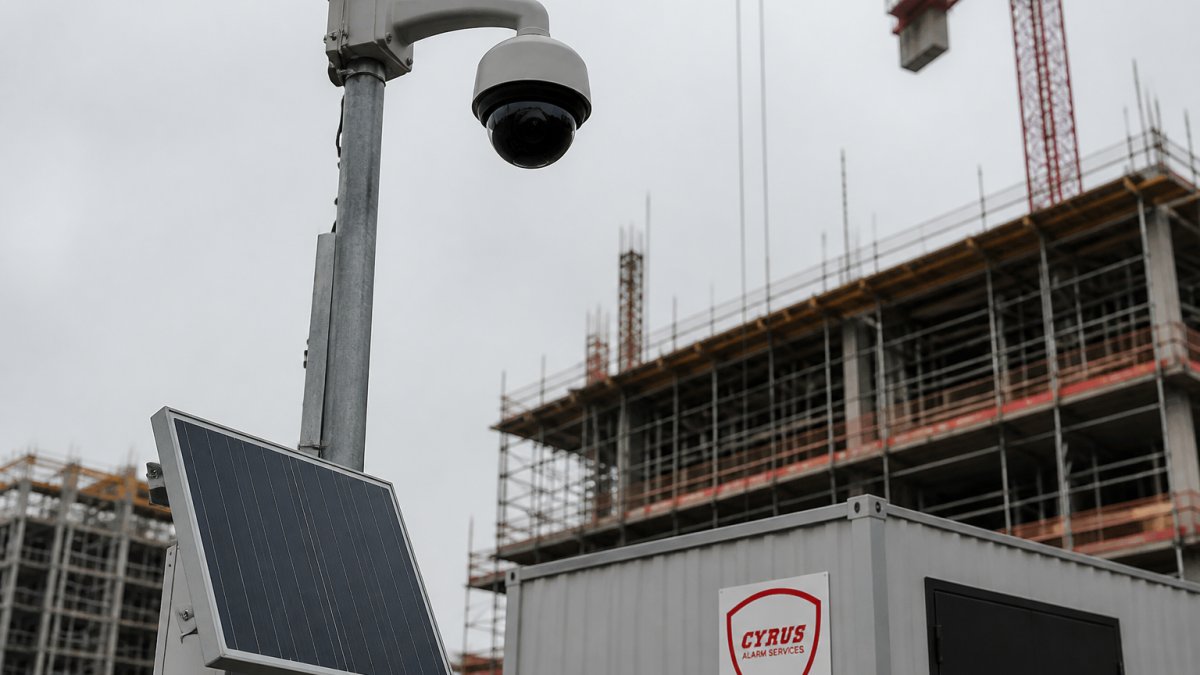
This peace of mind has real value: parents can check that kids arrived home safely, business owners can monitor multiple locations from one dashboard, and construction managers can verify job sites after hours.
Monitoring also deters casual theft: burglars look for easy targets, not properties with visible security and someone potentially watching in real time.
Real-time alerts and faster response
When motion is detected at your front door at 2 AM, you don't want to learn about it the next morning. Smart home security systems send push notifications the moment a sensor triggers.
That speed matters in emergencies: during a break-in you can contact police immediately with current information, improving response time and the odds of apprehension.
For false alarms, common with older systems, real-time visibility lets you verify the trigger before calling police, a delivery driver, not an intruder, reducing unnecessary dispatches.
Burglary deterrence and property protection
Visible cameras and alarm signage deter burglaries. Research consistently shows burglars avoid properties with obvious security measures when easier targets exist.
Deterrence is only part of the story. If someone attempts a break-in, high-quality footage provides evidence for police investigations and insurance claims, and clear video of a suspect's face or vehicle increases the chance of recovery and prosecution.
Smart locks add another layer: grant temporary access to contractors, housekeepers, or family members without handing over a key, and revoke it instantly when someone moves out or employment ends.
Essential Smart Home Security Features to Understand
Not all smart home security systems offer the same capabilities. Understanding the core features helps you evaluate what matters for your specific situation.
Cameras, sensors, and smart locks
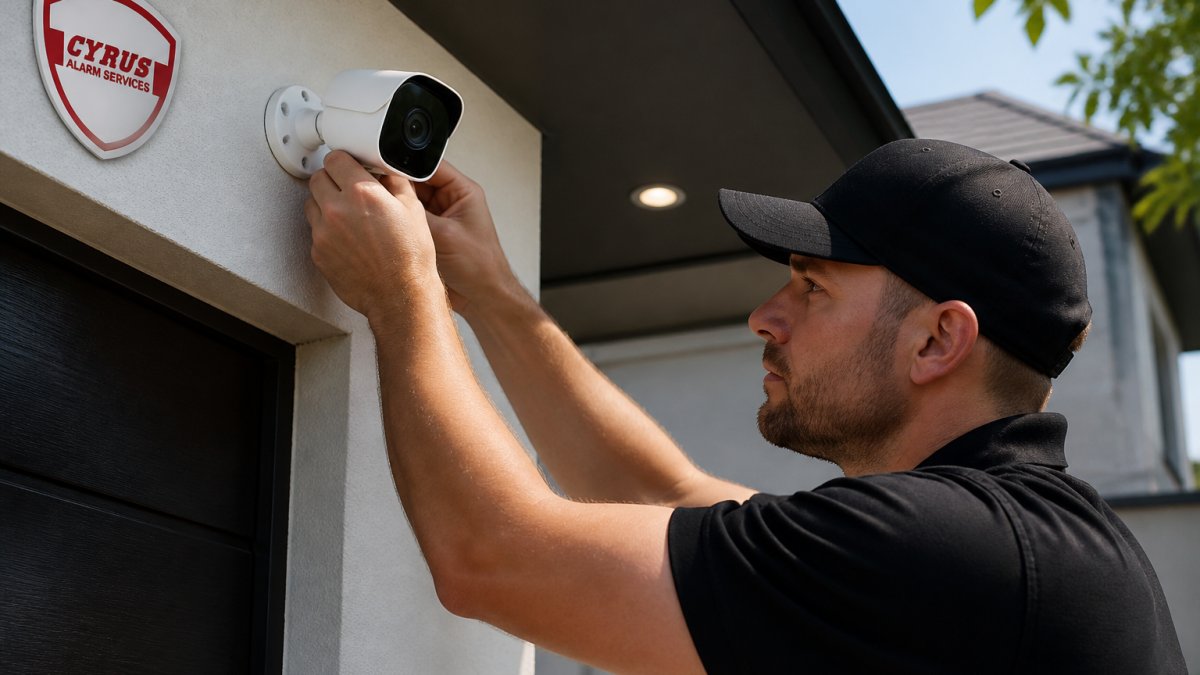
Video cameras are the most visible component of modern smart home security, recording continuously or on motion trigger. High-resolution night vision provides usable footage in darkness, and some cameras use AI to distinguish people, vehicles, and animals.
Motion sensors detect movement in specific areas like hallways, basements, and garages, while door and window sensors alert the moment they're opened. Both are typically wireless and easy to install without new wiring.
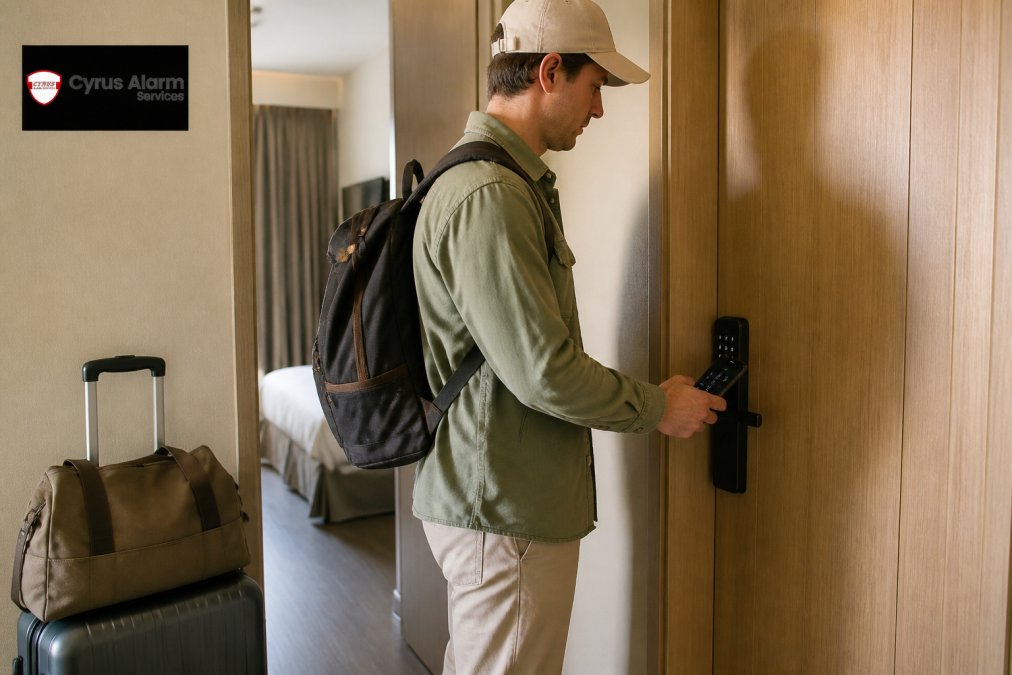
Smart locks replace traditional deadbolts with electronic versions locked or unlocked remotely, with backup physical keys and battery backup so they work if power fails.
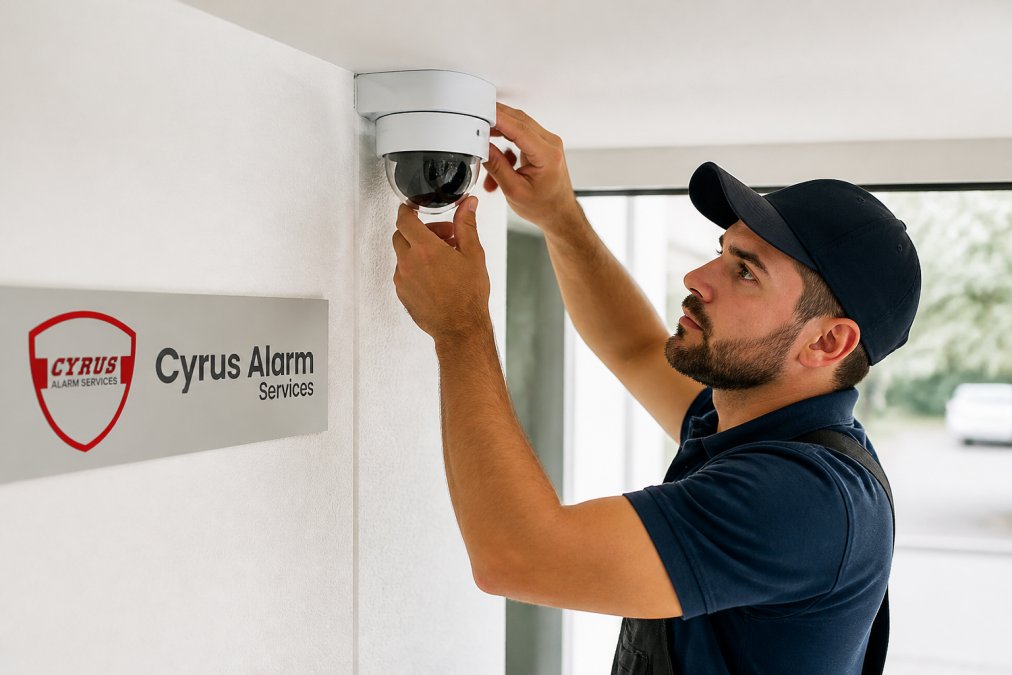
Effectiveness depends on placement: a camera pointed at a wall is worthless, and a motion sensor in a hallway you walk every night generates false alarms. Proper setup requires professional installation or careful planning.
Professional and self-monitoring options
Smart home security systems offer two monitoring approaches.
Professional monitoring provides accountability: if you're unavailable when an alarm triggers, the monitoring center can still contact police, following established protocols. This is especially valuable if you're traveling internationally or frequently unavailable.
Self-monitoring gives you complete control but requires your attention: you'll receive alerts and must decide whether to contact police. This works well for people who are consistently available.
Many people use a hybrid approach: self-monitoring for routine alerts during the day when they're home or nearby, and professional monitoring for nighttime or when traveling.
Smart Home Security Risks You Should Know About
Adopting smart home security means accepting certain trade-offs. Understanding these risks helps you make informed decisions about what systems to implement and how to configure them safely.
Cybersecurity and hacking vulnerabilities
Connected devices are, by definition, connected to the internet. This connectivity enables remote monitoring but also creates potential security vulnerabilities.
The risk is real but manageable. Most modern smart home security systems use encryption for data transmission and storage, require strong authentication, and patch known vulnerabilities through regular firmware updates.
Your responsibility is to implement security best practices: strong, unique passwords; multifactor authentication enabled; regular firmware updates applied to all devices. Treating your smart home security system like any other internet-connected device significantly reduces hacking risk.
Privacy and personal data concerns
Video cameras recording your home generate personal data. Who has access to that footage? How long is it stored? Can the company hosting your footage sell that data or share it with third parties?
These questions matter. Review the privacy policies of any system you consider: where footage is stored (local versus cloud), how long it's retained, and who can access it.
For families with young children or elderly relatives, privacy inside your home is a legitimate concern. Cameras in bedrooms or bathrooms are generally inappropriate. Cameras in living spaces, entryways, and outdoor areas provide security without invading personal privacy.
Reliability during outages and device failure
Smart home security systems depend on internet connectivity and electrical power. A power outage or internet failure could disable your system at the exact moment you need it most.
Modern systems address this through backup power (battery backup in hubs and smart locks) and backup internet connectivity (cellular connections for monitoring).
Device failure is another consideration: a camera that fails silently leaves a gap in coverage, and a smart lock that loses power becomes a deadbolt requiring a physical key. Design with redundancy: multiple cameras covering the same area, backup power for critical devices, and regular testing.
Practical Setup and Maintenance for Reliability
Installing smart home security is only the beginning. Ongoing maintenance and proper configuration determine whether your system actually protects you or becomes a false sense of security.
Strong passwords and multifactor authentication
Your security system account is the master key to everything: if someone gains access, they can disable alarms, unlock doors, and view camera feeds. Protect it like your email or banking login.
Use a password at least 16 characters long with uppercase and lowercase letters, numbers, and symbols, unique to your security system. Better yet, use a password manager to generate and store a truly random password.
Enable multifactor authentication on your security system account. This requires a second form of verification (usually a code from your phone) when logging in from a new device.
Firmware updates and secure Wi-Fi
Manufacturers release firmware updates to patch vulnerabilities and improve functionality. Many systems allow automatic updates, the safest approach. If yours requires manual updates, check and apply them monthly.
Your home Wi-Fi network is the backbone of your smart home security system. Use WPA3 encryption (or WPA2 if unavailable), change the default admin password, and disable WPS (Wi-Fi Protected Setup), which has known security weaknesses.
Separate your smart home devices onto a guest network if your router supports it. This isolates them from computers and phones containing sensitive data, limiting potential damage if a device is compromised.
Backup power and internet redundancy
Test your backup power monthly: unplug your hub and verify it continues on battery backup, check that smart locks still operate, and confirm your system can still send alerts to your phone.
For internet redundancy, ensure your system includes a cellular backup connection. This costs extra but provides monitoring connectivity even if your broadband fails. Test this backup quarterly by temporarily disconnecting your Wi-Fi to verify the cellular connection activates.
Document your system's configuration: which devices are where, what automations are active, and the backup codes for smart locks. This becomes invaluable for troubleshooting or onboarding someone new.
Total Cost of Ownership and Subscription Trade-offs
Smart home security involves multiple cost components: initial equipment, professional installation (if applicable), monthly monitoring fees, and device replacements over time.
Monitoring fees typically range based on whether you choose professional monitoring or self-monitoring, and whether you add optional services like video storage. Self-monitoring costs less but requires your active involvement.
Battery replacements, camera storage upgrades, and occasional device failures add to the total cost over time. Budget for these ongoing expenses when evaluating whether smart home security makes financial sense.
Why Smart Home Security Matters for Your Household
Smart home security matters because it addresses a fundamental human need: knowing your family and property are safe.

For families with young children, remote monitoring reassures that kids arrived home safely. For frequent travelers, it eliminates anxiety about unlocked doors or unusual activity.
The technology itself is secondary to this core benefit: the cameras, sensors, and smart locks are tools that create the awareness and response capability you need.
The real question isn't whether smart home security is worth considering, it's whether the specific system you choose matches your actual needs, budget, and technical comfort level.
Frequently Asked Questions
How does smart home security work?
Smart home security systems connect devices like cameras, sensors, and smart locks to a central hub or cloud platform. You control them through a mobile app, receive real-time alerts when motion or door/window activity is detected, and can view live video feeds or lock doors remotely. The system integrates with your home Wi-Fi and sends notifications to your phone, allowing you to respond immediately to threats or check on your home while away.
What are the main benefits of smart home security systems?
Smart home security systems offer remote monitoring so you can check your home anytime, anywhere. They provide real-time alerts that let you respond quickly to intrusions or emergencies. The visible presence of cameras and smart locks deters burglars, protecting your property and family. Professional monitoring options add 24/7 emergency response, and automation features let you create routines that simulate occupancy when you're away, further discouraging break-ins.
What are the risks of smart home security?
The main risks include hacking if your passwords are weak or devices lack encryption, unauthorized access to video feeds and personal data, and reliability issues during internet outages or device failure. Privacy concerns arise from constant video recording and cloud storage of footage. To reduce these risks, use strong passwords, enable multifactor authentication, keep firmware updated, secure your Wi-Fi network, and choose systems with backup power and local storage options.
Is smart home security worth the cost?
Total cost includes equipment, installation, and subscription fees for professional monitoring or cloud storage. While upfront costs are higher than basic systems, the combination of deterrence, remote access, and emergency response reduces risk of theft and property damage, potentially saving thousands. Consider your household's travel frequency, property value, and need for 24/7 monitoring when evaluating whether the investment aligns with your security goals and budget.
Smart home security matters most when it's reliable, responsive, and actually used. Cyrus Alarm Services builds systems designed for real families and businesses with real constraints: older homes with challenging wiring, busy schedules that make manual arming unreliable, and the need for both professional expertise and local support. Get a quote today and discover how a properly designed smart home security system can provide the protection and peace of mind your household needs.